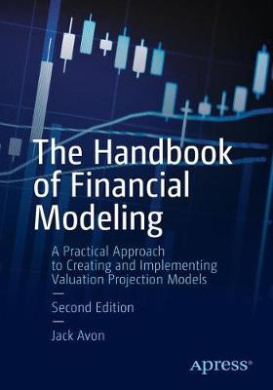
Description
Chapter 1: The Role of Financial Modelers today Sub1: Examples of Real day modelling roles Sub2: Where financial modelers have been used Sub3: The modelling roles for the future (New) Chapter 2: Types of Financial Models (New) Sub1: Quantitive models Sub2: Stochastic models Sub3: Time-based models Sub4: Scenario models Sub5: Valuation models Sub6: Other Models Chapter 3: Review of Best Practices for Modeling Sub1: Accepted rules Sub2: Avoid these Sub:3 Reason behind Best practices (New) Chapter 4: The Modeling Lifecyle explained (New) Sub1: The Seven Modeling components explained. Chapter 5: Planning and designing models Sub1: Methods of Planning Sub2: Completing the Plan Sub3: How to know which model type Sub4: Methods of designing all models Sub5: Completing the design Chapter 6: Its all about the model outputs (New) Sub1: Explore the types of outputs Sub2: Creating Dashboards with Excel Chapter 7: Model Build Sub1: Building the Outputs Sub2: Developing the Inputs and Scenarios Sub3: Connecting the Outputs with the Inputs Sub4: Building Error Checks Sub5: User interaction with the model Chapter 8: Financial Modeling and Accountancy (New) Sub1: Are Financial modelers Accountants? Sub2: Accounting concepts for every modeler Sub3: Where Models and Accounting concepts cross Chapter 9: The Implications and Rules of Accounting for Modelers Sub1: Implications of IFRS for Modeling (New) Sub2: Accounting Professional Ethics for Modelers (new) Chapter 10: Calculation methods for modelers Chapter 11: Modeling Scenarios Explored (New) Chapter 12: The Importance of Documentation Chapter 13: Model Stress Testing (New) Chapter 14: Model Auditing & Review (New) Chapter 15: The Role of VBA in Financial Models Chapter 16: Financial modelling, where next (New) Appendix A: Modelling Glossary and terminologies Appendix B: Ready-Made Functions Appendix C: References