Description
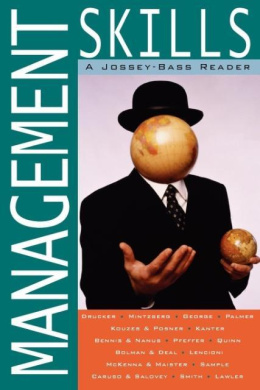
Management Skills contains the best thinking from the biggest names in business management on a wide range of subjects including leadership, shaping the work environment, change, communicating, hiring and motivating employees, leading teams, and much more. The author list of this invaluable resource reads like a who’s who of business management. This extraordinary collection features chapters from Robert R. Albright, David Batstone, Warren Bennis, Lee G. Bolman, Richaurd Camp, David R. Caruso, Terrene E. Deal, Christina A. Douglas, Peter Drucker, Deborah L. Duarte, Michael Finley, J. Davidson Frame, Bill George, T. George Harris, Todd D. Jick, Rosabeth Moss Kanter, James M. Kouzes, Edward E. Lawler III, Patrick Lencioni, Clinton O. Longenecker, David H. Maister, Marick F. Masters, Cynthia D. McCauley, Patrick J. McKenna, Henry Mintzberg, Dana M. Muir, David A. Nadler, Mark B. Nadler, Burt Nanus, Parker J. Palmer, Terry Pearce, Jeffrey Pfeffer, Barry Z. Posner, Robert E. Quinn, Kathleen Kelley Reardon, Harvey Robbins, Peter Salovey, Steven B. Sample, Jack L. Simonetti, Douglas K. Smith, Nancy Tennant Snyder, Barry A. Stein, Robert I. Sutton, and Mary E. Vielhaber. Preface Part One: What Makes a Great Manager? Chapter 1: Leadership Is Authenticity, Not Style – Bill George Chapter 2: Credibility Is the Foundation of Leadership – James M. Kouzes and Barry Z. Posner Chapter 3: Management vs. Leadership – Warren Bennis and Burt Nanus Chapter 4: Rounding Out the Manager’s Job – Henry Mintzberg Chapter 5: The New Managerial Work – Rosabeth Moss Kanter Chapter 6: The Post-Capitalist Executive: An Interview with Peter Drucker – T. George Harris Part Two: Creating and Shaping the Work Environment Chapter 7: Seven Practices of Successful Organizations – Jeffrey Pfeffer Chapter 8: Hire the Right People – Edward E. Lawler III Chapter 9: Managing the Interview Process – Richaurd Camp, Mary E. Vielhaber, and Jack L. Simonetti Chapter 10: Employment Law from a Manager’s Perspective – Dana M. Muir Chapter 11: Pick Relevant Metrics – Douglas K. Smith Chapter 12: How Change Really Comes About – Rosabeth Moss Kanter, Barry A. Stein, and Todd D. Jick Chapter 13: Learning to Lead Change – David A. Nadler with Mark B. Nadler Part Three: Communicating, Leading, and Motivating People Chapter 14: The Manager as Politician – Lee G. Bolman and Terrence E. Deal Chapter 15: Artful Listening – Steven B. Sample Chapter 16: Establish Competence and Build Trust – Terry Pearce Chapter 17: Read People: Identifying Emotions – David R. Caruso and Peter Salovey Chapter 18: The Seven Essentials of Encouraging – James M. Kouzes and Barry Z. Posner Chapter 19: Motivating and Satisfying Excellent Individuals – Edward E. Lawler III Chapter 20: How to Give Feedback – Harvey Robbins and Michael Finley Chapter 21: Developmental Relationships – Cynthia D. McCauley and Christina A. Douglas Part Four: Getting the Work Done Chapter 22: The Call for Results – Clinton O. Longenecker and Jack L. Simonetti Chapter 23: Operating Within the Realities of Organizational Life – J. Davidson Frame Chapter 24: Solving the Problem of Bad Meetings – Patrick Lencioni Chapter 25: Politically Astute Negotiating – Kathleen Kelley Reardon Chapter 26: Deal With Your Crises – Patrick J. McKenna and David H. Maister Part Five: Leading Complex Organizational Processes Chapter 27: Dealing with Conflict – Marick F. Masters and Robert R. Albright Chapter 28: Overcoming the Five Dysfunctions of a Team – Patrick Lencioni Chapter 29: Myths and Realities of Leading Virtual Teams – Deborah L. Duarte and Nancy Tennant Snyder Chapter 30: Building Companies Where Innovation is a Way of Life – Robert I. Sutton Part Six: Sustaining the Great Manager Chapter 31: Leading From Within–Parker J. Palmer Chapter 32: Reflective Action – Robert E. Quinn Chapter 33: From Success to Significance – David Batstone Chapter 34: If Not Me, Then Who? If Not Now, When? – Bill George Notes Index