Description
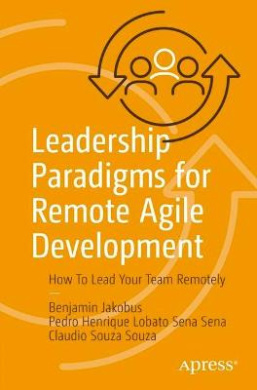
Introduction Introduction to the book, including outline of core competencies, structure, definitions and concepts. Chapter 1 – Remote work and the new normal Here we present the differences in leading an in-person team versus a remote team, detailing how asynchronous work differs to other models, and discuss how the dawn of remote work emphasizes the importance of strong organization. The chapter lists concrete tools, frameworks and tips that leaders can adopt to make their company more “remote friendly”. Chapter 2 – Leadership Explains why good leadership is so important and what the core competencies of a good leaders are. That is, what a good leader should and should not do. The chapter then details the 9 pillars of good leadership: shielding one’s team, maintaining technical oversight and presence, the problem of micromanagement, how to calibrate expectations, how to manage deadlines and how to prioritize features. Chapter 3 – Hire the right people Begins by discussing why people matter and then explains why and how to hire the right people, as well as why so many companies fail to do so. The chapter then dives into details on the importance of experience, what makes for good and bad software engineers and the impact of cognitive biases. The chapter finishes by discussing the cost of hiring and the cost of bad engineers. Chapter 4 – On breaking windows and writing code This chapter is all about job execution. That is, how to create an environment in which engineers are able to give their best. The chapter begins by explaining the broken window theory (a well-known theory in sociology and criminology) and how it relates to software project management. The key message in the chapter is that, if you place good professionals into a dysfunctional environment, these professionals are most likely to contribute further to its decline. The chapter then details how to create and maintain well-functioning working environments. Chapter 5 – Feedback – How to ask, receive and act upon it The objective of this chapter is to turn the reader into a better communicator. That is, it explains why listening matters, how to become a better listener, and how to act on feedback produced in a highly dynamic environment. Chapter 6 – The cost of change This chapter focuses on both the costs of changing and standing still. That is, it discusses how to strike a balance between meeting market demands, finding a product market fit (if not found already), and engineering a good product. We look at this balance both at a macro-level and a micro-level. That is, on one hand the company needs to be responsive to change and cannot become a massive oil tanker. And, on the other hand, we need to be able to determine what degrees of change are permissible at a product level as changes in direction impact the overall codebase and architecture. Chapter 7 – Managing expectations Here we discuss unrealistic expectations, artificial deadlines, the cost of switching direction, the (hidden) complexities of developing software and the cost of rushing. Chapter 8: Reduce bureaucracy This chapter begins by discussing the impact of a heavy bureaucracy and how to reduce it whilst still maintaining an audit trail. The chapter then details concrete steps and processes that leaders can adopt to reduce paperwork and maximize productivity whilst at the same time being able to vet and audit all decisions and actions taken. Chapter 9: Ethics A weak ethical position results in brain-drain and is generally bad for business. As such, this chapter begins by exploring the main causes of weak ethical positions and then details the direct impact that this has on a business. The chapter then explains how to create and maintain strong ethical standards – both by discussing possible pitfalls (such as the dangers posed by aggressive marketing) and highlighting concrete steps (such as high internal communication standards) that leaders can take. The key point presented by this chapter is that we should all strive to earn money by providing value; not by driving metrics. We should earn money by providing value; not by driving metrics.