Description
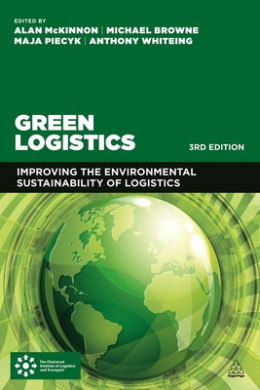
Leading the way in current thinking on environmental logistics, Green Logistics provides a unique insight on the environmental impacts of logistics and the actions that companies and governments can take to deal with them. It is written by leading researchers in the field and provides a comprehensive view of the subject for students, managers and policy-makers. Fully updated, the 3rd edition of Green Logistics has a more global perspective than previous editions. It introduces new contributors and international case studies that illustrate the impact of green logistics in practice. There is a new chapter on the links between green logistics and corporate social responsibility and a series of postscripts examining the effects of new developments, such as 3D printing, distribution by drone, the physical internet and the concept of peak freight. Other key topics examined include: carbon auditing of supply chains; transferring freight to greener transport modes; reducing the environmental impact of warehousing; improving the energy efficiency of freight transport; making city logistics more environmentally sustainable; reverse logistics for the management of waste; role of government in promoting sustainable logistics. The 3rd edition of Green Logistics includes indispensable online supporting materials, including graphics, tables, chapter summaries, and guidelines for lecturers. List of Figures List of Tables Contributor biographies Part One Assessing the environmental effects of logistics 01 Environmental sustainability: A new priority for logistics managers Alan McKinnon Introduction A brief history of green logistics research Green logistics: Rhetoric and reality Future scenarios A model for green logistics research Outline of the book References 02 Assessing the external impacts of freight transport Maja Piecyk, Sharon Cullinane and Julia Edwards Introduction External impacts Environmental standards Measuring the environmental impact of freight transport References 03 Carbon auditing of companies, supply chains and products Maja Piecyk Introduction Guidelines for carbon footprinting The carbon footprinting process Success factors in carbon footprinting Case study: Carbon auditing of road freight transport operations in the UK Next steps Conclusions Note References 04 Evaluating and internalizing the environmental costs of logistics Maja Piecyk, Alan McKinnon and Julian Allen Introduction Arguments for and against the internalization of environmental costs Monetary valuation of environmental costs Goods vehicle external costs: Case studies Conclusions Note References Part Two Strategic perspective 05 Green logistics, sustainable development and corporate social responsibility Maja Piecyk and Maria Bjrklund Introduction Sustainable development and sustainable distribution Corporate social responsibility (CSR) Stakeholders in CSR CSR reporting standards CSR and the logistics function Case study: CSR reporting in the logistics industry Conclusions Notes References 06 Restructuring road freight networks within supply chains Irina Harris, Vasco Sanchez-Rodrigues, Mohamed Naim and Christine Mumford Introduction Traditional network design Green network design Uncertainty in transport and supply chains Uncertainty mitigation approaches in road freight transport networks Gaps in our understanding and priorities for research Consequences and conclusions References 07 Transferring freight to ‘greener’ transport modes Allan Woodburn and Anthony Whiteing Background Characteristics of the main freight transport modes Environmental impacts of the main freight transport modes Case study: Container train load factors The policy framework Initiatives to promote freight modal shift for environmental benefit Good practice in achieving modal shift to rail and water Conclusions References 08 Development of greener vehicles, aircraft and ships Alan McKinnon, Julian Allen and Allan Woodburn Introduction Road freight Rail freight Air freight Shipping Conclusions Notes References 09 Reducing the environmental impact of warehousing Peter Baker and Clive Marchant Introduction Scale of the environmental impact Increasing resource intensity Framework for assessing the environmental impact of warehouses Ways of reducing the environmental impact Conclusion References Part Three Operational perspective 10 Optimizing the routeing of vehicles Richard Eglese and Daniel Black Introduction Vehicle routeing problems Problem varieties Environmental impact Conclusions References 11 Opportunities for improving vehicle utilization Alan McKinnon Introduction Measuring vehicle utilization Factors affecting the utilization of truck capacity Conclusion References 12 Increasing fuel efficiency in the road freight sector Alan McKinnon Introduction Fuel efficiency of new trucks Vehicle design: Aerodynamic profiling Reducing the vehicle tare weight Vehicle purchase decision Vehicle maintenance Increasing the fuel efficiency of trucking operations Benchmarking the fuel efficiency of trucks More fuel-efficient driving Fleet management Conclusions References 13 Alternative fuels and freight vehicles: Status, costs and benefits, and growth Jacques Leonardi, Sharon Cullinane and Julia Edwards Introduction State of development of alternative fuels for freight vehicles Current use of alternative fuels for freight vehicles Costs and benefits Growth potential References Part Four Key issues 14 Sustainability strategies for city logistics Julian Allen, Michael Browne and Jos Holgun-Veras Introduction Urban freight research and policy making Efficiency problems in urban freight transport Urban freight transport initiatives Urban consolidation centres Collaboration between the public and private sectors Environmental zones Conclusions Notes References 15 E-business, e-logistics and the environment Alan McKinnon, Yingli Wang, Andrew Potter and Julia Edwards Introduction Business-to-business (B2B) Business-to-consumer (B2C) References 16 Reverse logistics for the management of waste Tom Cherrett, Sarah Maynard, Fraser McLeod and Adrian Hickford Introduction Waste management in the context of reverse logistics The impact of waste treatment legislation Reuse, refurbishment markets and take-back schemes Managing waste as part of a sustainable reverse process Conclusions References 17 The food miles debate: Is shorter better? Tara Garnett Introduction Transport and GHGs: Is further worse? Transport, the second-order impacts and the implications for GHGs Local vs global and the self-sufficiency question Notes References Part Five Implications for public policy and the future of supply chains 18 The role of government in promoting green logistics Alan McKinnon Introduction Objectives of public policy on sustainable logistics Policy measures Reducing freight transport intensity Shifting freight to greener transport modes Improving vehicle utilization Increasing energy efficiency Switching to less polluting energy sources Government-supported advisory, best practice and accreditation programmes Conclusion Note References Postscript 1: Distribution by drone Alan McKinnon 1 Introduction 2 System specification 3 Applications 4 Operational feasibility 5 Environmental impact References Postscript 2: 3D printing Alan McKinnon and Anthony Whiteing References Postscript 3: Physical (logistics) internet () Maja Piecyk Notes References Postscript 4: Peak freight: could it ever happen? Michael Browne Note References Index