Description
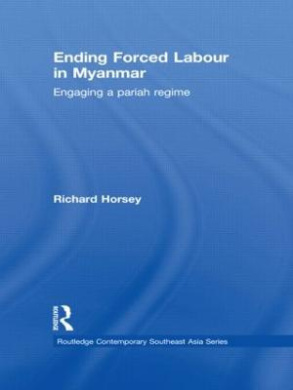
The International Labour Organization’s efforts since the early 1990s to address the forced labour situation in Myanmar represent a rare example of success in influencing the behaviour of that regime. While there have been regular setbacks, the fact that the regime has been pushed to take a number of significant steps–issuing orders prohibiting the practice in law, allowing the ILO to put in place a complaint procedure for victims, and imprisoning a number of government officials for violating the orders–is striking. It is very rare for any diplomatic strategy to be successful in securing progress on human rights by a regime such as Myanmar’s. This book is an empirically rich, well-documented in-depth analysis of the interactions between an international organization and a member failing to comply with internationally agreed human rights standards. Horsey provides new insights into the internal decision-making processes of an international organization, the external pressures to which it is exposed, as well as the conduct, the logistics and the negotiation dynamics of fact finding missions. Written by a leading analyst of the political situation in Myanmar and international diplomatic and policy approaches to the country, this book will make a significant contribution to thinking on how to influence authoritarian regimes and our understanding of the dynamic of relations with Myanmar. As such it is an essential read for scholars of international relations and global governance, human rights, international law and Southeast Asian studies.