Description
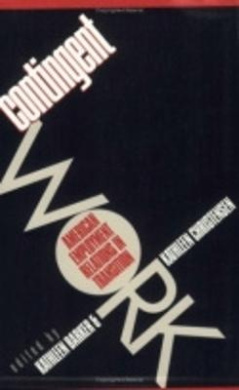
The successful 1997 strike by the Teamsters against UPS, and the overwhelming support the American public gave the strikers highlighted the impact of contingent work – an umbrella term for a variety of tenuous and insecure employment arrangements such as temping, independent contracting, employee leasing, and some self-employment and part-time or part-year work. This study contends that contingent work represents a profound deviation from the employment relations model that dominated most of the 20th century’s labour relations. It delineates essential features of contingent work from both the workers’ and the organization’s point of view. Articulating a variety of perspectives from various disciplines, the contributors examine the business forces driving contingent work and assess the consequences of working contingently for the individual, family and community, taking into account issues of race, class and gender. They ask how current labour and employment laws need to be rewritten to provide contingent workers with the same comprehensive protections offered to permanent employees. In the final chapter, the editors comment on the status of research on contingent work and chart future research directions.